 How to Disable HowToDisable
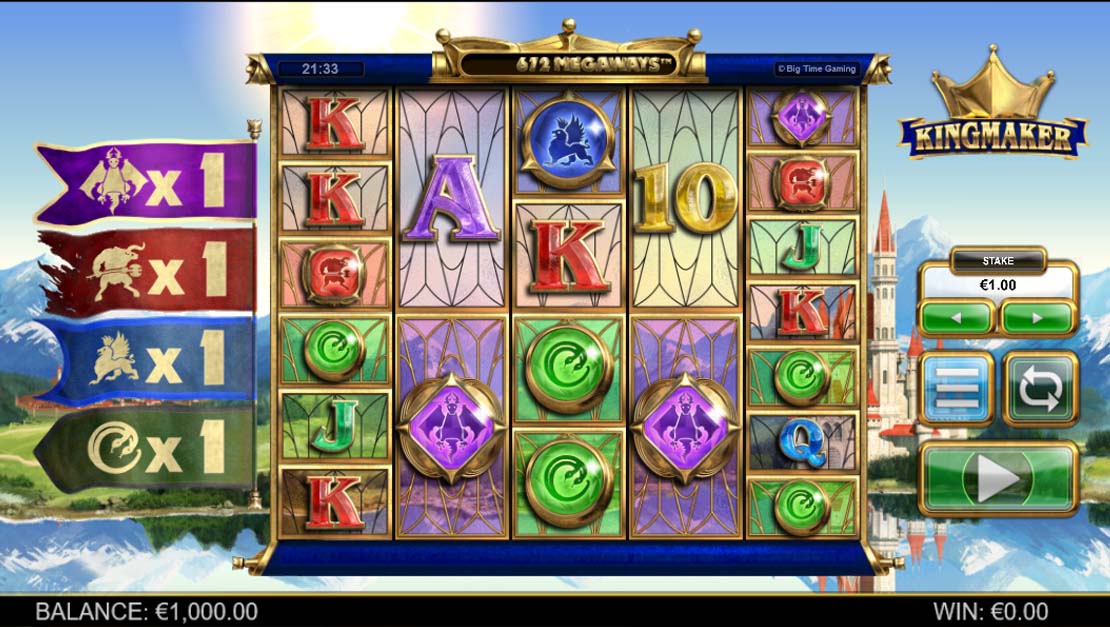
Preparation before a game of chance is a tradition as old as gambling reelkingmegaways.co.uk. My examination of modern slot culture shows a compelling shift in this practice, especially for games like Reel King Megaways. These rituals aren’t religious. They’re casual, superstitious habits that have emerged among some players. The steps people take before the reels spin mix personal routine, hopeful thinking, and a bit of theater. They aren’t about asking for divine help. They’re about building a personal mindset of focus and positive expectation. This article explores these pre-spin customs. It considers the psychology behind them, their common forms, and how they align with the bright, carnival mood of Reel King Megaways. My aim is to capture this bit of contemporary folklore, to see it as a cultural reaction to the thrill of the game.
Reel King Megaways game: An Tradition-Friendly Canvas
Not every slot game encourages this kind of ritualistic behaviour. Reel King Megaways, boasting a strong personality and features, appears to promote it. The game has a carnival design, with a jolly king character and a cheerful music. This festive atmosphere demands playful participation. The Reel King transforms into a figure to pacify or invoke. Crucially, the Megaways system changes the number of ways to win on every spin. It symbolizes chaos and huge possibility. Rituals turn into a way for players to manage that chaos psychologically. They create routines linked to the game’s elements. Someone may have a special click sequence before triggering the Reel King bonus, or they may hold their breath during a Nudge. The game’s variance—those small wins leading to a possible big reward—echoes the ritual’s own progression of small actions seeking a major payoff. The slot’s layout welcomes a story, and the rituals are the player’s opening part.
The Importance of Sound and Visuals
The sights and sounds of Reel King Megaways form a big part of the ritual for many. Plenty of players insist on having the sound on at a specific level. They want to hear the full crescendo. The music and sound effects go beyond indication. They’re an element of the environment that generates luck. The bright, primary colors and the animated king are regarded as active entities. Some players give the king a silent nod when the game starts, a playful but earnest salutation. This practice of regarding the game system like a whimsical king who can be petitioned is key to the ritual. Disabling the sound or playing in a quiet mode is often viewed as disrespectful to the king. That notion reveals how deeply the game’s aesthetic and atmosphere are integrated into the superstitious ritual.
Common Rituals Observed and Recorded
Browsing forums and player comments, I’ve gathered a variety of particular rituals associated with Reel King Megaways. One typical practice is the “practice spin.” Players use the demo mode or make a few minimum-stake spins to “warm up” the game. They feel this conditions the algorithm for a greater generous session. Then there’s the “time-lock” ritual. Players solely spin at times containing certain numbers, like on the hour or at minutes that correspond to a personal lucky number. Environmental rituals are also frequent. A specific chair, a certain item on the desk, or specific lighting must be in place before playing. More directly tied to the game, I’ve seen the “symbol salute.” Players orally acknowledge or click on the Crown or King symbols on the loading screen, regarding them as talismans for the upcoming session.
Anatomy of a Current Slot Ritual
If you break down these pre-game habits, you often find a triple structure: clearing, calling, and devotion. Clearing is about eliminating distractions or negative energy. A player might shut other browser tabs, mute their phone, or inhale slowly to center themselves. It’s a purposeful move to build focus, to be completely present for the game. Then is invocation. In this phase, the player deliberately seeks to attract good fortune. This is the heart of the ritual. It might be a soft wish for a large win, a particular sequence of mouse clicks, or visualizing the reels spreading with Crown symbols. In the end, devotion sets the purpose. The player may state a target out loud, like “This session is for the free spins bonus,” or dedicate any winnings to a certain treat. Many players don’t name these phases, but this structure offers a shape to what might appear random quirks.
Collective and Mutual Superstition
While many rituals are individual, they gain strength and diversity through community sharing. Online forums and social media groups for slot players are packed with people exchanging their “lucky” habits for games like Reel King Megaways. This builds a shared folklore. A ritual invented by a player in Glasgow can be taken and modified by someone in Sydney. It forms a global, informal tradition around a single digital game. These communities make the experience feel valid. They regularize the want for a pre-game ceremony. People also work together to develop new “myths.” They exchange notions about which times of day the game is “hotter,” or they recount stories about huge wins that came after a particular action. This collective mythmaking enhances the cultural dimension of the ritual. It changes a solitary habit into a piece of participatory, modern gaming culture.
When Superstition Turns Into Problematic Behavior
My analysis must draw a line between harmless superstition and actions that shows a lost perspective. A ritual becomes problematic when it changes from a entertaining personal tradition into something the player believes they must do. If someone believes they cannot play—or that they will absolutely lose—unless their certain, maybe complex, ritual is done exactly, that points to unhealthy magical thinking. It can also indicate superstitious entrapment. A player might try to recover losses, convinced the next adjustment to their ritual will change their luck. Responsible gambling understands that slots are games of pure chance operated by Random Number Generators. Rituals can make play more pleasurable, but they must never hide the fact that no action affects the outcome of a spin. The best approach treats rituals as a lighthearted part of the experience, not a viable strategy.
Keeping a Healthy Perspective
To keep these practices in the zone of healthy play, I suggest weaving elements of responsible gambling into the ritual itself. For example, the ritual could start with setting a deposit limit or a session timer. This establishes clear boundaries from the very beginning. Another helpful practice is incorporating a “reality check” phrase. Before the first spin, the player might say out loud, “This is just for fun.” This consciously underscores the real nature of the activity. The ritual should also have a clear finish line. A particular action should signal the end of the session, win or lose. This aids prevent compulsive continuation. By integrating responsible gambling principles into the ceremonial framework, the player keeps the fun, superstitious parts from developing into something damaging for their finances or their mental health.
The Historical Origins of Pre-Game Superstition
People have consistently tried to sway their luck. Ancient warriors performed rites before battle. Athletes follow strict pre-game routines. These rituals provide a feeling of control when things are unstable. The UK has a rich background with pub games, betting shops, and bingo halls. This history includes a diverse collection of gambling superstitions. You can draw a line from carrying a rabbit’s foot or fearing the number thirteen to the habits people have before they click spin on an online slot. Logic isn’t the point. The point is establishing an emotional tone. When someone creates a personal ritual before playing Reel King Megaways, they’re connecting with that old tradition. They step out of the ordinary for a moment. They establish a ceremonial space—even if it’s just their sofa—where they can attempt to attract luck. It’s a psychological warm-up, a intentional shift into the game’s world of anticipation.
From Physical Slots to Virtual Realms
It’s interesting to see how these rituals moved from physical machines to online play. In a casino, someone might press the screen or sit in a lucky chair. Online, the rituals turn more personal and peculiar. A player might only log in at a certain time, use a specific browser theme, or need a particular drink nearby. Without a common physical space, the ritual becomes a private show. For Reel King Megaways, a game known for its bonus rounds and cascading wins, the ritual often seeks to ‘activate’ that potential. I’ve talked to players who always watch the demo reel first, or who click the spin button only with their left hand. These digital-age superstitions are the true successors of the old land-based ones. They’ve adjusted for a world where the machine is virtual, but the hope is completely real.
The Psychological Bridge: Ritual as Psychological Instrument
Behind these quirky habits is a firm psychological function. Carrying out a ritual before playing reduces anxiety and enhances the perception of control. Both are essential for experiencing a high-volatility game. By running through a set sequence, the player signals their own brain they are transitioning from ordinary life into a phase of play. This is a type of cognitive framing. It builds a mental border that can help with bankroll decisions. The ritual signals the official start, rendering it easier to see when the session should stop. The ritual can also improve focus. The deliberate actions quiet the mind’s background chatter, letting the player immerse deeper into the game’s flow. Seen this way, the pre-spin ritual isn’t an irrational request. It’s a practical tool for handling emotions and thoughts in a situation designed to be emotionally charged.
The Timeless Allure of the Pre-Play Practice
These prayer-like rituals continue even now, in an age of advanced digital tech and verified Random Number Generators. That endurance reflects a fundamental human need. We are individuals who seek patterns. We find comfort in tradition, especially when we’re dealing with randomness. Reel King Megaways, with its engaging story and dramatic win potential, presents a perfect stage for this human tendency. The rituals I’ve recorded are a form of modern gaming. They allow people customise their interaction with a piece of software. They introduce a human note to a mathematical process. They demonstrate a hopeful, inventive, and basically harmless way to engage with chance. If players approach the game with responsibility and a firm grasp of its random nature, these pre-spin traditions remain a charming sign of our persistent desire to add a dash of personal magic to the roll of the digital dice.
Designing Your Own Custom Ceremony
If the concept of a pre-game ritual interests you but you lack one, creating your own is a straightforward, inventive process. Start by reflecting on what puts you in a concentrated, positive, and at ease headspace. Your ritual ought to be short, enjoyable, and resonate with you. It could be as fundamental as tidying your gaming area, reciting your session budget out loud, and doing three slow breaths before you click spin. You might include a physical object, like a lucky coin next to your keyboard. Routine is the key. Carrying out the same sequence each time you enjoy Reel King Megaways establishes the neural pathway that makes the ritual function as a mindset tool. Hold it easy and fun. The goal is never to command luck. It is to celebrate your own enjoyment of the game’s vivid theme and exciting mechanics. You’re arranging the stage for a session about entertainment, not heavy expectation.
